QR code history scavenger hunts engage students
QR code history scavenger hunts engage students through tech-savvy adventures. This makes the hunt for historical events, sites, artifacts, historical figures and local history dynamic and exciting.
QR code history scavenger hunts are different from traditional scavenger hunts. QR codes are hidden everywhere. Participants look for these codes instead of looking for a list of items to find in a specific spot. Smartphones are used to scan the QR codes. Each scan reveals clues, instructions, riddles, pictures and videos. Participants follow these clues to the next step. QR codes are like digital treasure maps that guide participants through the scavenger hunt.
R code was invented in 1994 by the Japanese company Denso Wave. “Quick Response” or QR is a barcode that meets certain conditions. It is fast to read even if it is scanned upside down. It is an encoding of any kind of text beginning with Japanese characters. The QR code should be usable if the code is in a low resolution.
In 2010, the popularity of smartphones made QR codes simple tools to quickly link people to a URL through a picture. In 2021, QR codes were used to quickly provide information about the COVID vaccination status. These codes may now be used for QR code history scavenger hunts.
What Makes QR code history scavenger hunts engaging?

QR code history scavenger hunts have the potential to make studying history more exciting and engaging for students. QR codes appeal to a tech-savvy audience already using mobile phone technology to text and use social media to engage with others. Technology modernizes the scavenger hunt to make it more interesting for history students.
Scanning codes to unlock clues, challenges or multimedia content changes the experience of searching for physical objects. Participants discover new experiences while scanning a QR code. This creates a dynamic and interactive experience.
QR codes allow teachers to add clues, riddles, multimedia content (images, videos and websites) to the QR code history scavenger hunts. These historical scavenger hunts can be adjusted to fit the intended audience. The ability to customize the difficulty and theme of each scavenger hunt to different ages and interests.
How do QR code history scavenger hunts work?
Every QR code history scavenger hunt has three ingredients. Checkpoints are the locations, booths or items participants should find. A unique QR code at each checkpoint shows that students arrived at that location or booth. Points for each checkpoint visited and a ranking to show who the leader is comprise the scoring system. A list of checkpoints and the QR code for each one establish the QR code history scavenger hunt.
There are nine steps to follow when creating the history scavenger hunt. First define the goals. Next pick a theme. Third, design the route. Fourth write engaging clues that guide the participants along the way. Fifth, integrate the QR code. Mix up the types of clues to encourage student engagement. Some examples are riddles, trivia questions or physical tasks. Seven, give a starting point and instructions. Plan a fun ending point for the hunt. Some ideas are a small prize or reward for completing the QR code history scavenger hunt. Finally, test the hunt by making sure the clues are clear, the QR codes are scannable and the route flows well.
Begin by writing the stops on paper. Make a page for each stop. The clues should be short because a QR code can only hold a short piece of text or a web address. Finally, generate a code for each page using any free QR code generator.
On the day of the QR code history scavenger hunt, group students in pairs or threes. Let groups begin at different station to avoid bottlenecks. Mix easy and hard stations so that every group scores. The leaders of each group still have to earn the points. Display a timer and offer a small prize for the top of the leaderboard to keep the hunt competitive. Differentiate with bonus stations that fast finishers can tackle while others catch up.
QR Code history scavenger hunts for elementary school students


These digital scavenger hunts combine the excitement of exploration with meaningful learning objects for elementary school students. QR codes, or Quick Response codes, are digital doorways that students can open with any device equipped with a camera. When scanned, these codes take learners to websites, videos, documents, or simple text messages that provide the next clue or learning challenge.
Students develop critical thinking skills when they solve clues, practice reading comprehension while following directions. They also build technological literacy through hand-on interaction with digital tools. Teachers can easily track progress and differentiate instruction by creating multiple hunt paths for different skill levels.
For QR code history scavenger hunts, teachers can use the tools provided by each school. These are devices with cameras. Tablets, smartphones of Chromebooks may be used. The free QR code reader apps are available on any device. Students of all ages can easily scan the QR codes for each hunt.
Here is a link for more information. How to Make a QR Code Scavenger Hunt (Free, No App)



Historical websites accessible with a mobile phone
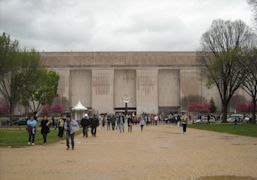
National Museum of American History
Smithsonian Institution in Washington, DC
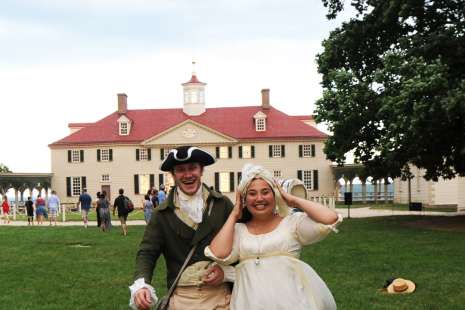
Mount Vernon in Alexandria, Virginia
National Women's History Alliance

History Today

History News Network
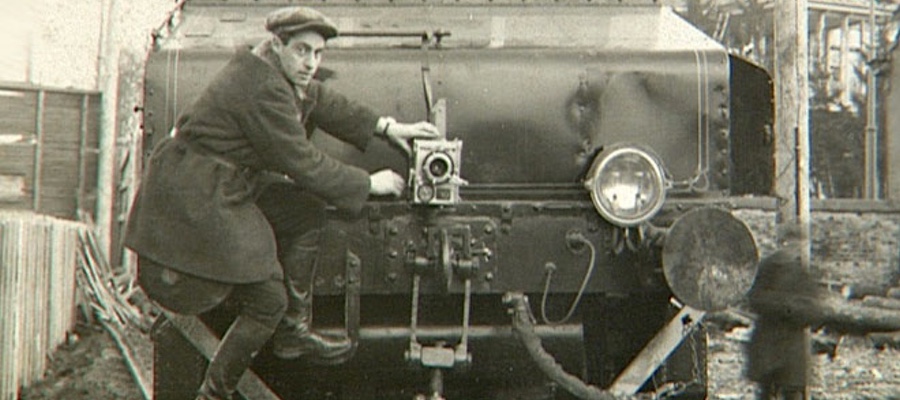
Colonial Williamsburg